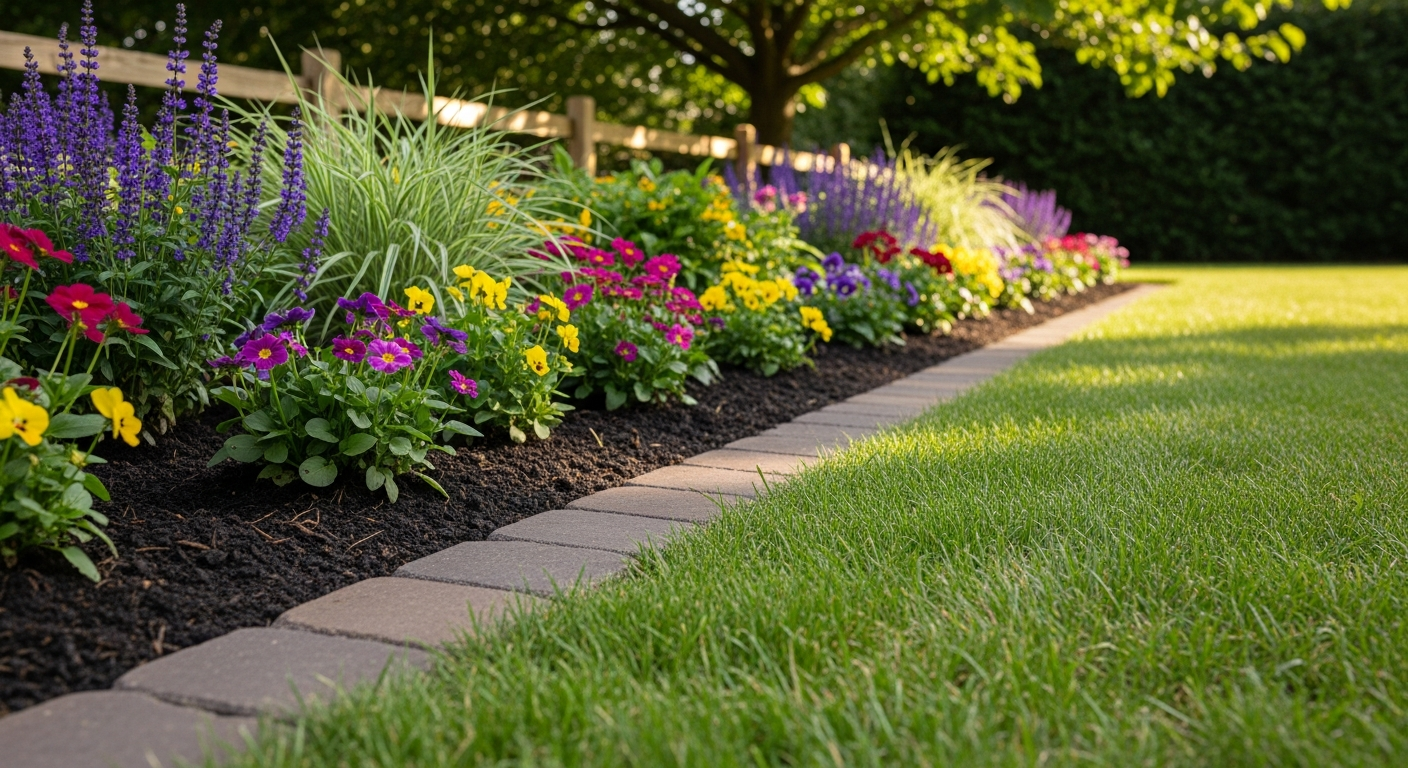
Edge a Garden is one of the easiest ways to make your yard look neat and organized. When you edge a garden, you create a clear line between your lawn, flower beds, or vegetable patches. This not only makes your garden look tidy but also helps your plants grow better because the edges prevent grass from spreading into your flower beds. Many people think edging a garden is difficult, but with simple tools and a little practice, anyone can do it. Using a sharp spade, edging tool, or even bricks, you can create straight or curved edges that make your garden stand out. Edging a garden is not only about beauty; it also helps in keeping weeds away and stopping soil from washing into your lawn. When the edges are clear, it is easier to mow the lawn, water plants, and maintain your garden.
You can choose different styles for edging a garden, like natural stone, plastic, metal, or wooden borders. Each style has its own charm and works best depending on your garden type. For example, stone edges look great in flower gardens, while metal or plastic edges work well for vegetable patches. The key to a perfect edge is planning. Decide where you want the edges, mark the line with a rope or hose, and then dig carefully along the marked line. Make sure the edges are firm and deep enough so that grass or soil doesn’t creep back. Once you edge a garden properly, you will notice a huge difference in how your outdoor space looks. Edging a garden also gives a professional touch, making your yard look well cared.
Edge a Garden: Why It Makes Your Yard Look Amazing
Edge a garden makes your yard look neat, clean, and beautiful. When you edge a garden, you make clear lines between your grass, flowers, and vegetable patches. This helps your plants grow better because grass and weeds do not take over your flower beds. A well-edged garden looks professional even if you do it yourself. It also makes mowing easier because you can see exactly where the grass ends. Edging a garden can be done with curves or straight lines, depending on your style. People love seeing neat edges because it shows care and effort. When your garden has clear edges, it looks bigger and organized. You will feel proud of your yard every time you see it.
Best Tools to Edge a Garden Easily at Home
To edge a garden, you need the right tools. Simple tools like a hand spade, garden fork, or edging knife are perfect for small gardens. For bigger gardens, you can use a wheel edger or powered tool to make work faster. Some people even use bricks or stones as edging tools for decoration. Make sure the tool is sharp so it cuts through grass and soil easily. Using the right tool makes edging a garden safe and fun. You do not need expensive equipment; basic tools work well. Remember to mark the edge line before cutting so your garden looks neat. With the right tools, edging a garden becomes easier every time you do it.
Step-by-Step Guide to Edge a Garden Like a Pro
Edging a garden is easy when you follow simple steps. First, choose the area you want to edge and mark a clear line with rope or a garden hose. Next, dig along the line carefully, making sure the edges are firm and straight. Remove any grass or weeds from the edge to keep it clean. After digging, smooth the soil and press the edges so they stay in place. You can add stones, bricks, or mulch to make it look nice. Check your edges regularly and trim any grass or soil that grows back. With practice, you can edge a garden like a professional gardener and enjoy a neat, beautiful yard.
Creative Ideas to Edge a Garden with Style
You can make your garden special by adding style to the edges. Try using stones, bricks, or wooden borders to create a unique look. Curved edges give a soft, natural feel, while straight lines make your garden look organized and modern. Mixing materials like gravel and plants can create a fun design. You can also use colorful flowers or low-growing plants along the edge to make it pretty. Edging a garden with style makes it a fun space for family and friends. Creative edges also help guide water and prevent soil from washing away. With a little imagination, your garden can be both beautiful and functional.
Edge a Garden: Tips to Keep Your Lawn and Beds Neat
Keeping your garden neat is easy with regular care. Edge your garden at least once a month to stop grass from spreading. Trim any overgrown plants along the edges. Use mulch or stones to protect the soil and make edges last longer. Water your plants carefully so the edges do not wash away. Make sure the tools are clean and sharp for every edging session. Check for weeds and remove them right away. Following these simple tips will make your lawn and flower beds look tidy all year. A neat garden also helps your plants grow healthy and strong. Edging regularly keeps your yard looking beautiful and cared for.
Materials You Can Use to Edge a Garden
There are many materials you can use to edge a garden. Stones and bricks are popular because they are strong and long-lasting. Wooden borders give a natural look, while plastic or metal edges are easy to install. Gravel, mulch, or small pebbles can also be used for decoration and to protect the soil. You can even plant low-growing flowers or shrubs to create a living edge. The choice of material depends on your garden style, budget, and how long you want the edge to last. Combining different materials can create a unique look. Picking the right materials makes edging a garden easier and more fun.
Common Mistakes to Avoid When You Edge a Garden
Many people make mistakes when edging a garden. One mistake is not marking the line first, which makes edges uneven. Using dull tools can also make the job harder. Digging too shallow or too deep can cause grass and soil to spread back. Another mistake is not checking edges regularly, which lets weeds grow. Choosing materials that do not suit your garden can make it look messy. Overcomplicating curves or lines can make maintenance harder. Avoiding these mistakes will help you edge a garden perfectly. With careful planning, patience, and regular care, your yard can always look neat and attractive.
Edge a Garden: How to Maintain Beautiful Borders Every Season
Maintaining edges every season keeps your garden looking perfect. Trim the grass and weeds along the edges regularly. Add fresh soil, mulch, or stones if needed. Check for any plants that grow outside the border and cut them back. Water your garden carefully to avoid washing away the soil. In winter, protect wooden or metal edges from damage. Seasonal maintenance prevents problems and keeps edges sharp. When your edges stay strong, your garden looks healthy and neat. Maintaining borders is simple if done slowly and regularly. With a little effort, your garden will always have clear, beautiful edges that make it enjoyable all year.
Conclusion
Edging a garden is a simple way to make your yard look amazing. It helps your plants grow and keeps your lawn neat. With the right tools, edging becomes easy and fun. You can use stones, wood, or even flowers to make your edges beautiful. Regular care is important so your garden always looks neat. Avoid mistakes like digging too shallow or not checking edges often. Creative edges make your garden special and unique. Maintaining them every season keeps your yard tidy and healthy. Anyone can edge a garden with a little practice. Your garden will look professional, neat, and welcoming for family and friends.